
Curating a Modern Veterinary Treatment Room? Here are the 5 Must-Have Features to Focus On!
March 3, 2026
How to Choose Equipment That Meets the Rigorous Demands of Barber Programs
March 6, 2026
Let’s be real—if you’ve ever walked into a space that looked amazing but just didn’t work, you know appearances only get you so far. At Kaemark, we’ve worked on everything from bustling medspas to no-nonsense corporate offices, and we’ve learned you can’t choose between looking good or getting the job done. It’s got to be both. One without the other? That’s a recipe for headaches, eye rolls, and—honestly—poor first impressions.
So, what does it actually take to nail that sweet spot where beauty meets brains in commercial casework? Let us walk you through a few things we’ve picked up along the way (often the hard way!).
Why We Never Sacrifice Form or Function
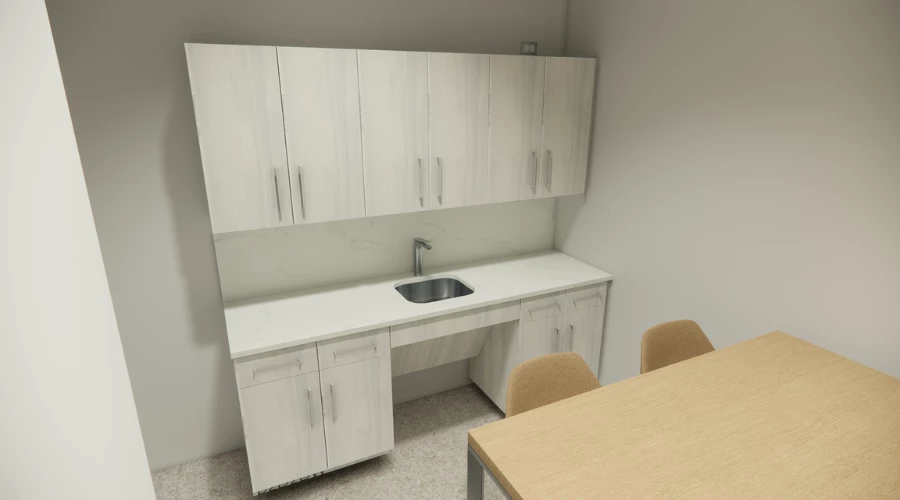
Picture this: You’ve got a break room full of jaw-dropping, minimalist cabinetry. It wows on day one, but then you try to stash bulk coffee supplies and—plot twist—nothing fits. Or you’ve got rock-solid shelves built for utility, but clients mention the vibe feels a little, well, underwhelming. We’ve seen both, and trust us, you don’t want to land on either extreme.
For us, it’s all about building spaces where people want to be. Staff work better. Visitors linger (and hopefully come back!). Your brand reputation? It shines.
Lessons We’ve Learned the Hard Way
We’ll be honest: there’s no magic formula. But there are plenty of “wish we hadn’t done that” moments we’re happy to help you avoid.
Start With Real Life, Not Just Mood Boards
We love Pinterest as much as anyone, but successful casework starts by asking who’s actually using the space. What do they need within arm’s reach? Will that glossy finish hold up when a rushed team member inevitably spills coffee… again?
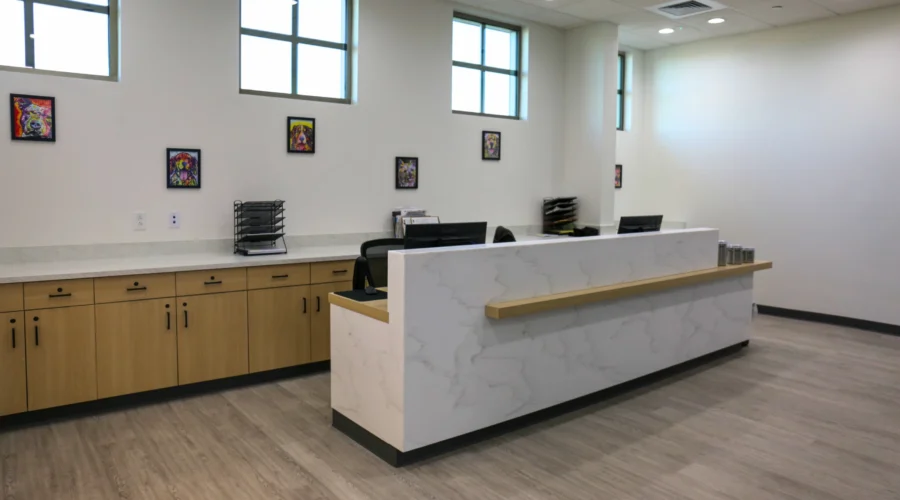
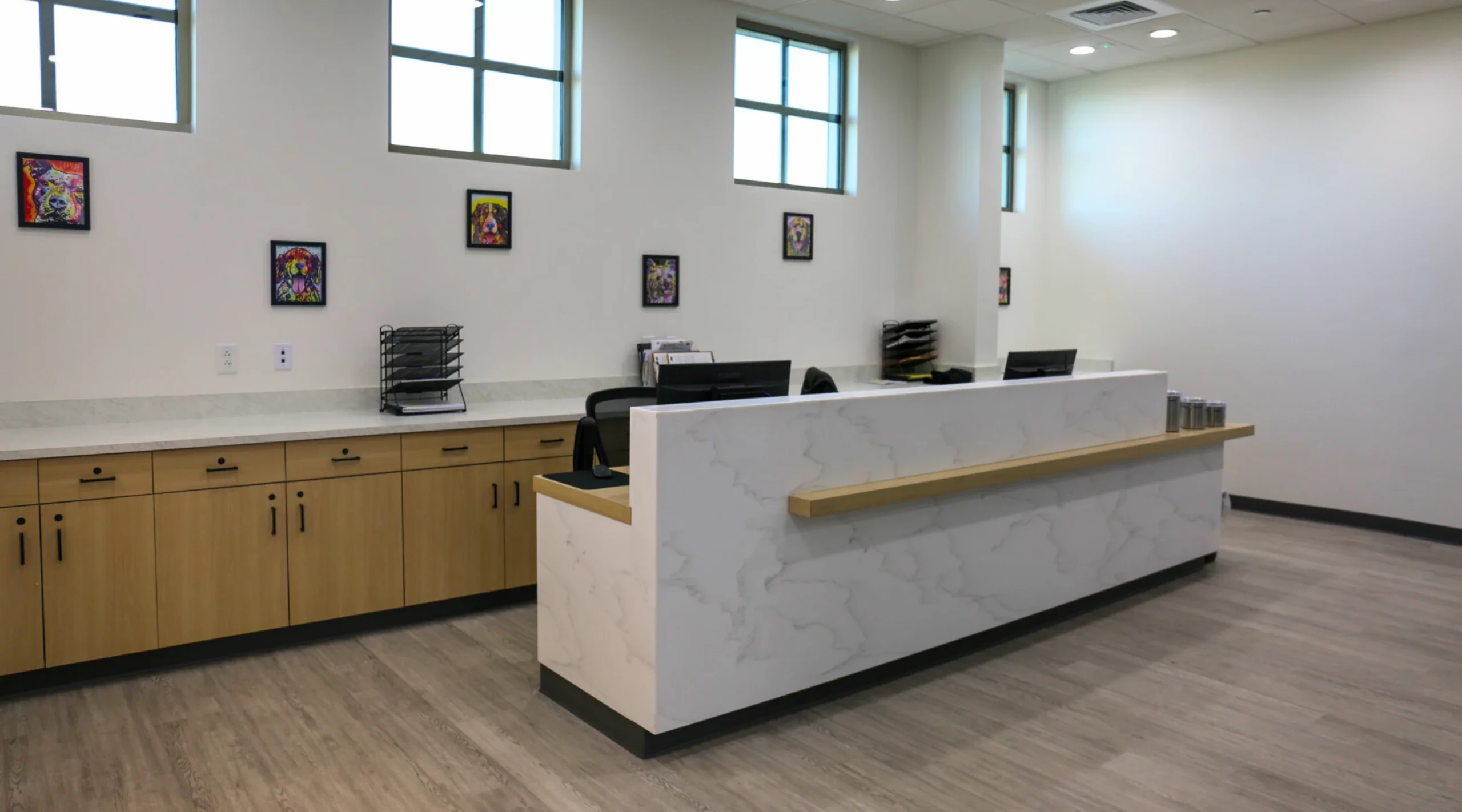
Your designs should be focused on careful measurements of every little element that you need, not some template. During our years of experience, we’ve seen many individuals doing it wrong. For instance, there was this one team that measured out every drawer and shelf. However, when the design came to life, one thing was missing – the space of the reception desk. Without this, there is nowhere for the paperwork to be handled. The lesson? Every little detail is what determines how workflows are mapped out, how teams are aligned, and how efficiently everything is run.
Choose Materials for the Messy Moments
We wish every countertop could be as pristine as we’d like, but let’s face it, life is messy. High-pressure laminate has been a lifesaver for us over and over again – thanks to its exemplary resistance to scratches, sanitizer wipes, and Texas humidity. (If you know, you know.) And in clinics or spas, if it’s not easy to wipe down, it won’t cut it. Our advice? Don’t be afraid to invest in the materials that will age gracefully, not just look great at installation.
Also, don’t forget the “little” things: hinges, drawer slides, and pulls are the workhorses no one admires until they break! Trust us, this is not the place to cut corners.
Tech Should Disappear (Until You Need It)
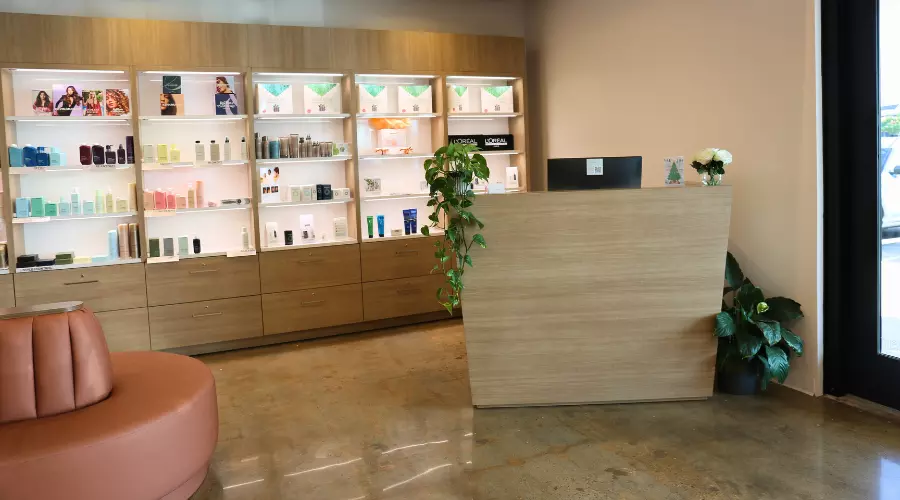
We’ve all seen a gorgeous check-in counter swallowed up by tangled cords by month two. It’s maddening, and we’ve sought to stay ahead of the problem with intelligent cable management, hidden outlets, and devices that are out of the way yet easily accessible. It’s the small things that add up to a big difference in real-world use.
Stay Flexible—Literally
Growth happens. Teams expand. What worked last year might not fit in six months. Modular casework, in our experience, gives you that “easy upgrade” option without ripping everything out and starting from scratch. Future you will thank you.
At the End of the Day, It’s About People
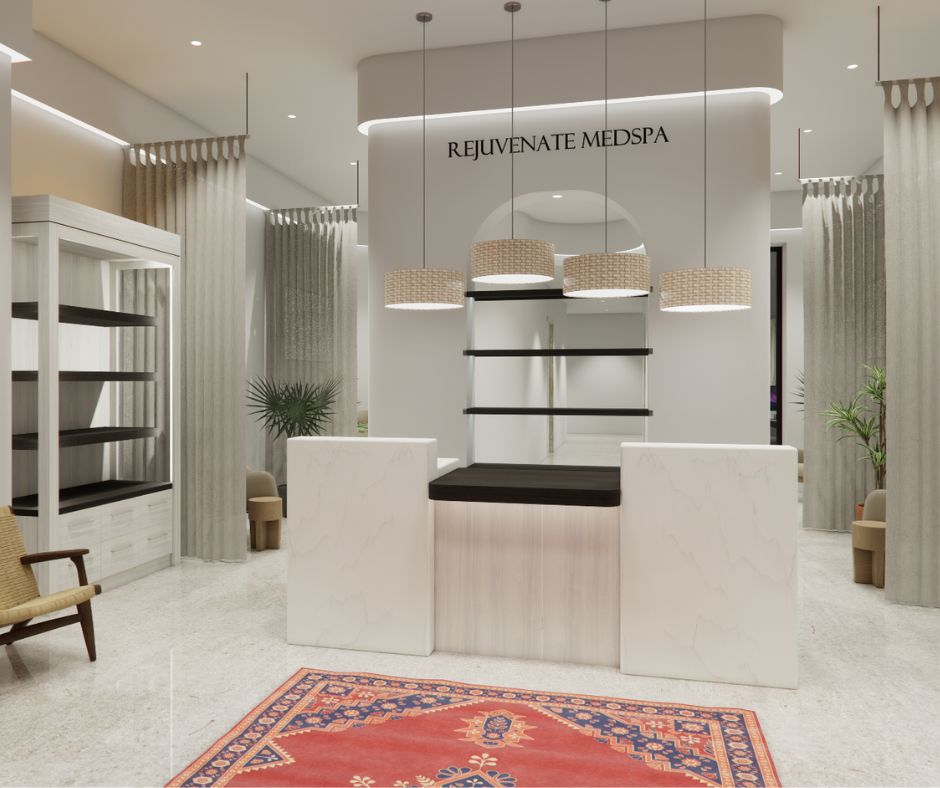
We build for the people who greet the guests, arrange the merchandise, and keep the wheels turning behind the scenes. We walk through the project before we sign off to think about it from a new perspective. Would I want to come to work here? Can I find what I need, or do I have to play hide-and-seek to find the storage? The answers to these questions lead the way!
The best casework feels effortless, inviting, and built for real work—because it is. And when your space tells that story, people pick up on it right away.